Social Anxiety at Work: Why Being Watched Is the Trigger
By BrioMon Team
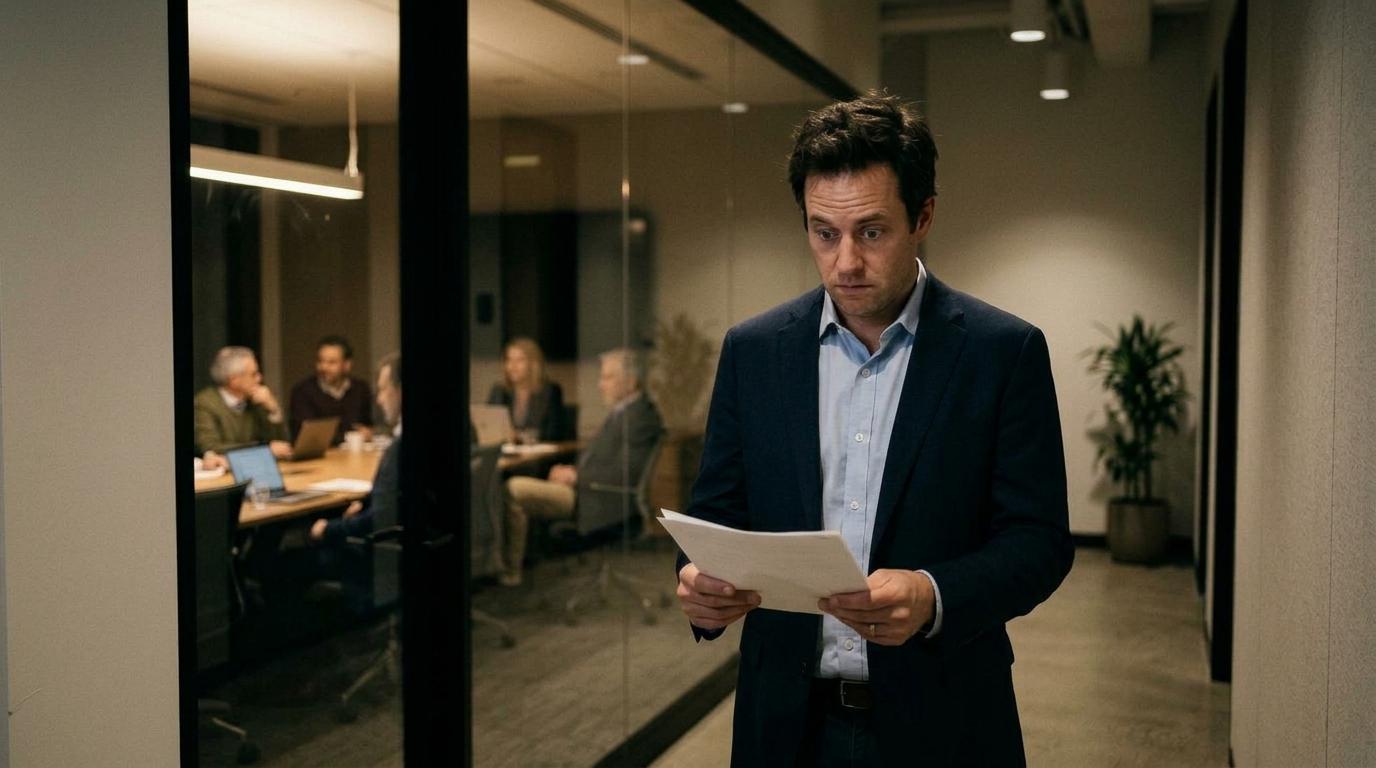
Social anxiety at work usually gets explained vaguely, as general nervousness around people. A massive meta-analysis of the body’s actual stress hormone response found something more precise: it isn’t other people in general that spikes the body’s stress response the hardest, it’s specifically being watched and judged while performing, a combination that shows up constantly in ordinary work.
The study: pooling 208 laboratory stress studies
Researchers combined 208 laboratory studies covering more than 6,100 participants, measuring cortisol, the body’s primary stress hormone, in response to different kinds of acute stressors. Rather than treating “stress” as one undifferentiated category, the analysis broke tasks down by specific features: whether a task was something a person could actively control, and whether it involved being socially evaluated, watched, judged, or compared against others.
What the data actually found
Tasks that combined two specific features, being uncontrollable and being socially evaluated, produced by far the largest cortisol response, nearly three times the response of ordinary motivated tasks without either feature. Social evaluation alone, independent of controllability, more than quadrupled the stress response compared to tasks without an audience or judgment involved. These combined-threat tasks also took the longest to recover from, with cortisol staying elevated well past the end of the task itself.
Why this maps directly onto ordinary work situations
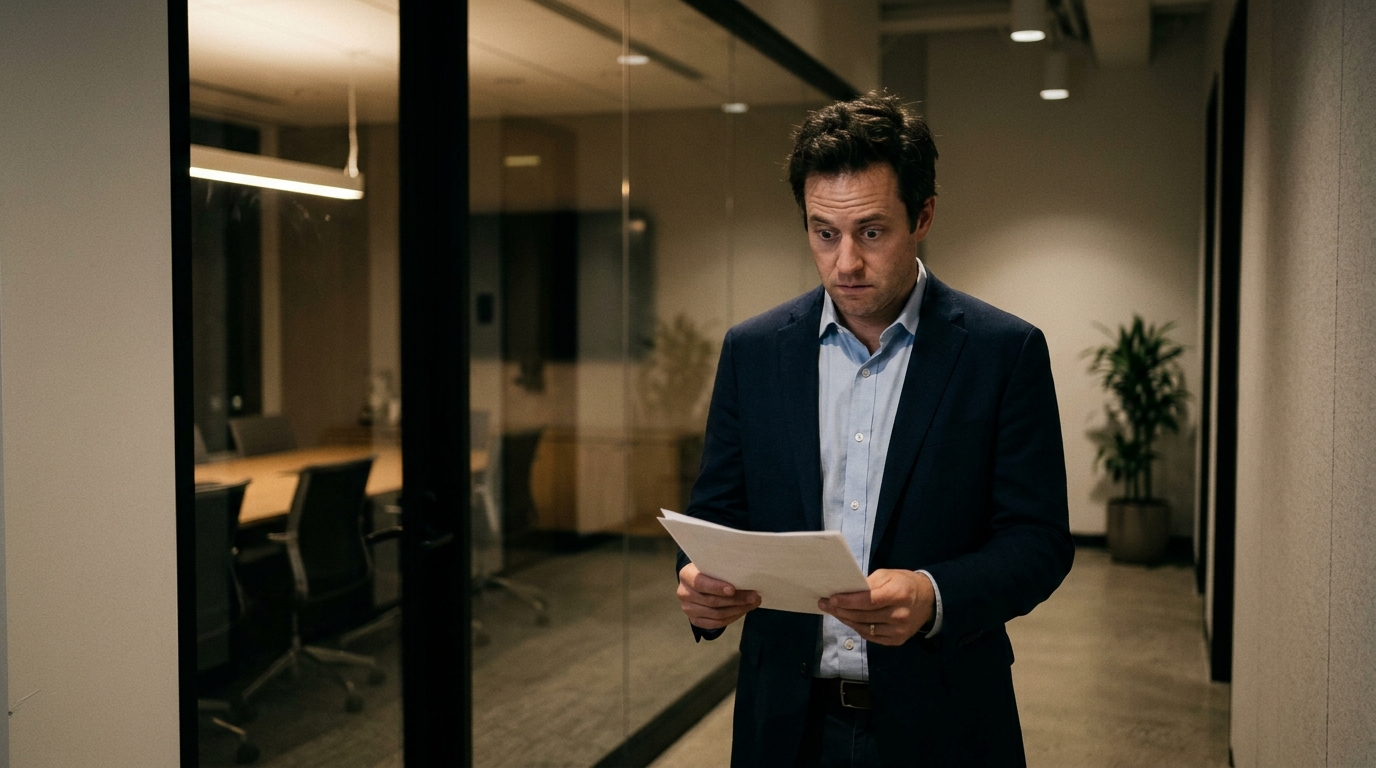
A presentation to a room of colleagues, a performance review, a meeting where an idea gets picked apart in real time, these are, almost exactly, the combination the research flags as producing the strongest physiological stress response: something a person can’t fully control, being judged by others while they do it. Social anxiety at work isn’t a vague discomfort around people in general. By this data, it’s a precise, predictable response to a specific, common structural feature of how work actually happens.
Why this reframes “just a presentation” or “just feedback”
Framing a presentation or a performance review as a minor, routine part of the job undersells what the body is actually doing during it. The research suggests these moments sit close to the top of the stress-response scale, not somewhere in the mild middle. Someone who finds these specific situations disproportionately draining isn’t overreacting to something small; they’re responding, physiologically, to a genuinely high-intensity trigger that happens to be dressed up as a routine meeting.
Why this points toward how these moments should be structured
If uncontrollability and social evaluation are the two features driving the largest response, reducing either one should meaningfully reduce the load. Giving someone more control over the format of a presentation, or restructuring feedback to feel less like public judgment and more like a private, collaborative conversation, directly targets the mechanism the research identifies rather than just asking someone to be less anxious about it, a point that connects to the broader pattern covered in why anger feels energising and why that’s the problem, where the trigger itself, not the person’s reaction to it, is often the more useful thing to examine.
Why the recovery time matters as much as the spike
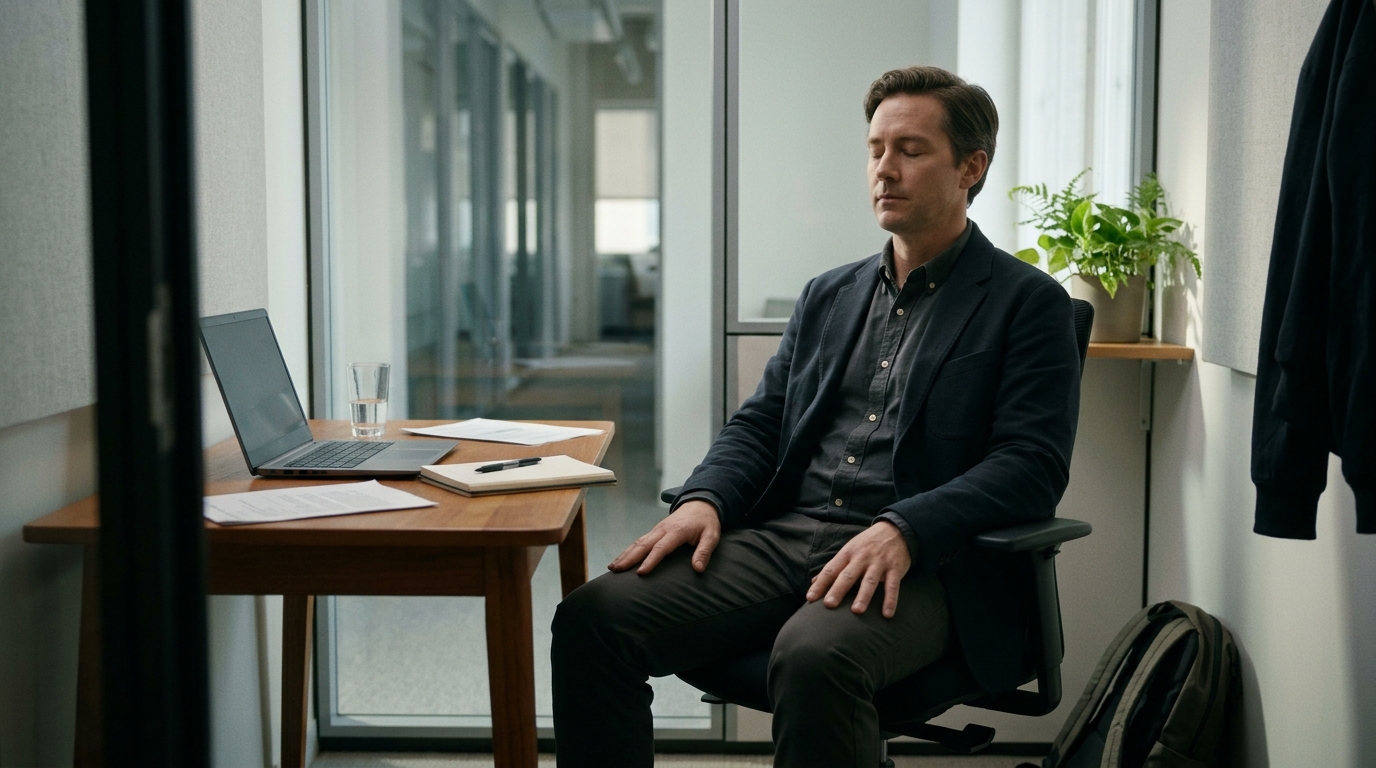
It would be easy to read this data as being about the moment itself: a stressful ten minutes, then it’s over. The recovery finding complicates that. Tasks combining uncontrollability and social evaluation didn’t just spike higher, they took measurably longer to come back down from. That means the actual cost of a single high-stakes, socially evaluated moment isn’t contained to the time it’s happening. It extends into the hours afterward, which is exactly the stretch where someone is often expected to move straight into their next task as if nothing demanding just happened.
Why clustering these moments compounds the problem
A single presentation or review is one data point. A week that happens to stack several of these moments back to back, a pitch Monday, a performance conversation Wednesday, a difficult client call Friday, is asking someone’s stress-response system to recover from one high-intensity trigger while already heading into the next one. Since recovery itself takes real time by this data, scheduling that doesn’t account for it is effectively compounding a cost that each individual moment already carries on its own.
Why MCMS treats high-exposure moments as distinct events
This is exactly why Mental Capacity Management treats socially evaluative, high-stakes moments, presentations, reviews, public feedback, as distinct, trackable events rather than folding them into an undifferentiated measure of someone’s general stress. The Mental Capacity Management System (MCMS™) reads capacity over time through the Mental Capacity Assessment Engine (MCAE™), so a pattern of recovery slowing down specifically around these high-exposure moments can be flagged and understood for what it actually is. The organizational case for building that kind of precision into how stress gets tracked is laid out in how to build the business case for Mental Capacity Management.
If it’s your own capacity you want to actually start managing, Request a Trial, and see whether the moments draining you most are the ones the data says should be draining you most.
If it’s your team’s performance you’re responsible for, Request Access, and see whether your team’s highest-stakes, most-watched moments are structured with that cost in mind.